Docker Build Times: From 8 Minutes to 40 Seconds

Step-by-Step Guide: Optimizing Docker Build Performance Introduction Problem Statement: Docker builds taking 8+ minutes per PR, causing CI bottlenecks and increased costs. Solution Overview: Reduce build time to 40 seconds through multi-stage builds, BuildKit caching, and proper layer optimization. What You’ll Need: Docker 20.10+ (for BuildKit support) Basic understanding of Dockerfile syntax A Next.js or Node.js application (examples are adaptable to other frameworks) Expected Time Investment: 2-3 hours for implementation and testing ...

January 6, 2026 · DevCraft Studio · 3832 views

Git Rebase: Stop Being Scared of It

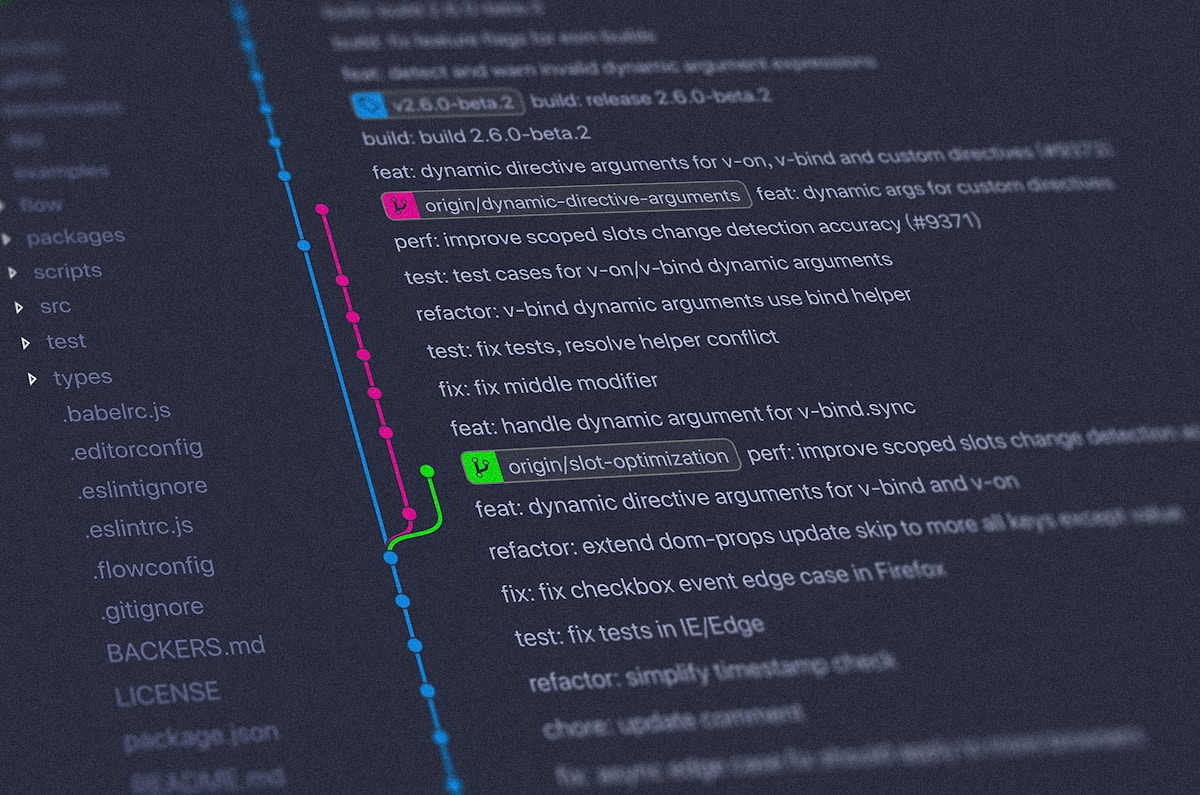
Everyone tells you to avoid git rebase. “It’s dangerous!” “You’ll lose commits!” “Just merge!” I used to think that too. Then I joined a team that rebases everything and our git history is actually readable. Here’s what changed my mind. The merge commit mess This was our git log before rebasing: * Merge branch 'feature/user-auth' |\ | * Fix typo in button text | * Update tests | * Merge main into feature/user-auth | |\ | |/ |/| * | Merge branch 'fix/header-spacing' |\ \ | * | Adjust header margin * | | Merge branch 'feature/notifications' |\| | | |/ |/| See those merge commits? They add zero value. Just noise. Finding where a feature was added means clicking through 5 merge commits. ...

January 2, 2026 · DevCraft Studio · 3289 views

Kubernetes Secrets: How We Leaked API Keys (And Fixed It)

Found our AWS access keys in a public GitHub repo last month. Fun times. Here’s how it happened and what we actually did to prevent it. How we leaked them Developer needed to add an API key to a Kubernetes service. Did this: # deployment.yaml - DON'T DO THIS apiVersion: apps/v1 kind: Deployment metadata: name: api-service spec: template: spec: containers: - name: api env: - name: AWS_ACCESS_KEY value: "AKIAIOSFODNN7EXAMPLE" # 🚨 Plaintext in git! - name: AWS_SECRET_KEY value: "wJalrXUtnFEMI/K7MDENG/bPxRfiCYEXAMPLEKEY" Committed it. Pushed it. Public repo. Keys were active for 6 hours before AWS alerted us to unusual activity. ...

December 30, 2025 · DevCraft Studio · 4491 views
Docker best practices illustration

Docker Production Best Practices: Security, Performance, and Reliability

Docker has become the standard for containerization, but running containers in production requires following best practices for security, performance, and reliability. This guide covers essential practices for production Docker deployments. Image optimization Use multi-stage builds Reduce final image size by using multi-stage builds: # Stage 1: Build FROM node:18-alpine AS builder WORKDIR /app COPY package*.json ./ RUN npm ci COPY . . RUN npm run build # Stage 2: Runtime FROM node:18-alpine WORKDIR /app RUN addgroup -g 1001 -S nodejs && \ adduser -S nodejs -u 1001 COPY --from=builder --chown=nodejs:nodejs /app/dist ./dist COPY --from=builder --chown=nodejs:nodejs /app/node_modules ./node_modules COPY --chown=nodejs:nodejs package*.json ./ USER nodejs EXPOSE 3000 CMD ["node", "dist/index.js"] Use minimal base images Prefer Alpine or distroless images: ...

December 16, 2025 · DevCraft Studio · 4338 views
Incident response illustration

DevOps Incident Response Playbook

During incident Roles: incident commander, comms lead, ops/feature SMEs, scribe. Declare severity quickly; open shared channel/bridge; timestamp actions. Stabilize first: roll back, feature-flag off, scale up, or shed load. Runbooks & tooling Prebuilt runbooks per service: restart/rollback steps, dashboards, logs, feature flags. One-click access to dashboards (metrics, traces, logs), recent deploys, and toggles. Paging rules with escalation; avoid noisy alerts. Comms Single source of truth: incident doc; external status page if needed. Regular updates with impact, scope, mitigation, ETA. After incident Blameless postmortem; timeline, root causes, contributing factors. Action items with owners/deadlines; track to completion. Add tests/alerts/runbook updates; reduce time-to-detect and time-to-recover.

December 11, 2024 · DevCraft Studio · 3233 views
Kubernetes deployment strategies illustration

Kubernetes Deployment Strategies: Rolling Updates, Blue-Green, and Canary

Kubernetes provides several deployment strategies to ensure zero-downtime updates and safe rollouts of new application versions. Understanding these strategies is crucial for maintaining reliable production systems. Deployment strategy overview Kubernetes deployment strategies determine how new versions of your application replace old ones. The choice depends on: Risk tolerance: How critical is zero downtime? Traffic patterns: Can you route traffic to multiple versions? Rollback speed: How quickly can you revert if issues occur? Resource constraints: Can you run multiple versions simultaneously? Rolling update (default) The default Kubernetes deployment strategy gradually replaces old pods with new ones. ...

August 15, 2024 · DevCraft Studio · 4186 views